
After working on highly technical medical imaging software in an international contractor environment, I moved into a very different kind of challenge: a consumer product built for the US market.
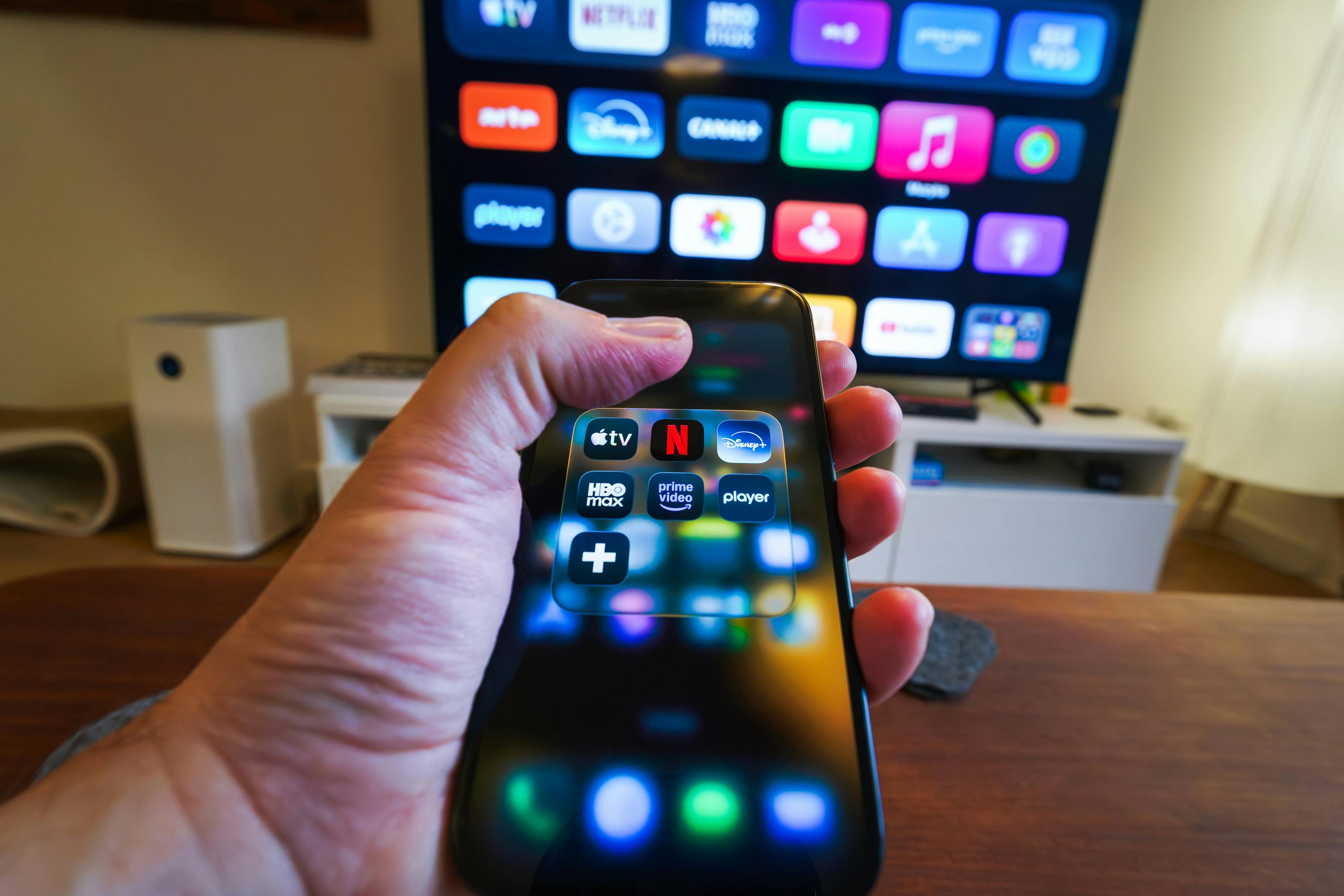
For about a year, I worked at Ranker on Watchworthy, a personalized recommendation app designed to help people figure out what to watch across more than 200 streaming services, including Netflix, HBO, Disney+, Hulu, Prime Video, and Apple TV+.
That shift mattered.
Up to that point, a big part of my recent experience had been centered around technically demanding products, advanced visualization, and highly specialized workflows. Watchworthy was different. It was a product used by everyday people, and its value depended on speed, clarity, trust, and the quality of the user experience.
A very different type of product challenge
Watchworthy was built around a simple but very real problem: streaming made entertainment more available, but also more fragmented and harder to navigate.
Instead of making discovery easier, the explosion of platforms often made the experience worse.
The product aimed to solve that by giving users a personalized watchlist and helping them quickly understand what they were likely to enjoy. In a short interaction, users could swipe through shows and start building a highly tailored recommendation profile, turning a frustrating search process into something much more guided and useful.
That made the work very product-sensitive.
This was not the kind of software where technical complexity alone created value. The product had to feel intuitive. The interface had to stay lightweight. The experience had to support fast decisions. And the frontend had to help make recommendations feel actionable instead of overwhelming.
What I worked with
On this project, I worked with:
- Vue.js
- Nuxt
- TypeScript
- HTML
- CSS
The stack itself was familiar, but the context was different.
This was consumer-facing software, with a much stronger emphasis on usability, responsiveness, and product polish. The challenge was not just to make things work, but to make the experience feel smooth enough for repeated daily use.
Why this experience mattered
What made this role especially valuable in my career was not only the product itself, but what it proved.
After working with a German company on advanced technical software, this experience showed I could also contribute effectively to a US-based product environment with a completely different rhythm, audience, and success criteria.
That mattered because it expanded my range.
It showed that I could move between:
- highly specialized B2B or technical software
- and fast-moving consumer-facing digital products
without losing focus on quality.
In one case, the challenge was precision, rendering, and technical workflows. In the other, it was clarity, engagement, and product usefulness for a broad audience.
Both required strong frontend thinking. Just in different ways.
What I took from it
Working on Watchworthy reinforced an important lesson:
good frontend work is not defined by the domain. It is defined by how well the product helps people do what they came to do.
In a medical imaging platform, that might mean making complex tools usable.
In a consumer streaming app, that might mean reducing friction, helping users make faster decisions, and making personalization feel natural.
Different product categories. Same core principle.
Build software that helps people move forward with less effort and more confidence.
That experience also gave me another important signal in my career: I could work not only with European companies in deeply technical environments, but also with US companies building consumer products at scale.
That range still matters to how I think about my work today.