
Beyond Code
Thoughts on full-stack product engineering, product thinking, and the craft behind real-world software.
No AI slop.
15 articles

Shipping an AI coach into a live tennis match: speed, guardrails, and knowing when to stop talking
What building the Match Flow AI coach taught me about putting LLMs in front of the public — where latency, cost, abuse, and human emotions are all part of the spec.

10 Lessons I've Learned by Implementing AI and Observability in EntrenoLibre
Shipping AI features in a real product with real users, forms, analytics, failures, and monitoring is a different story. Here are 10 lessons from implementing AI coaching, observability, and security in EntrenoLibre.
What contributing to a global-scale religious platform taught me about high standards and love
Working on a cross-platform rewrite serving 1,000+ languages and tens of millions of users changed how I think about code quality, engineering standards, and what it means to build software people actually feel.

EntrenoLibre: from startup recognition to a clearer product
EntrenoLibre started as a broader sports-tech startup and later evolved into a more focused platform for sports event organization, live results, and community visibility.
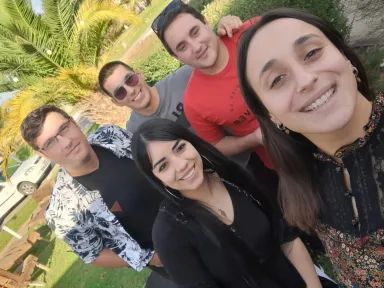
Building RusticIT across countries, clients, and disciplines
RusticIT started as a distributed digital services company working with clients across multiple countries, blending software development, design, mobile apps, and content creation into one practical execution team.

Open source Rust contributions with leptos-use
Coming back to Synphonyte to contribute to leptos-use gave me a public way to prove my Rust skills through open source work in the Leptos ecosystem.

rusti.codes: turning Rust learning into a product
rusti.codes started from a simple idea: use daily Rust coding challenges to help developers sharpen their problem-solving skills and prepare for technical interviews in a more consistent way.

When a Rust post went mini-viral
A simple LinkedIn post about learning Rust unexpectedly reached far beyond my usual audience and became a small but meaningful signal in my journey into the Rust ecosystem.
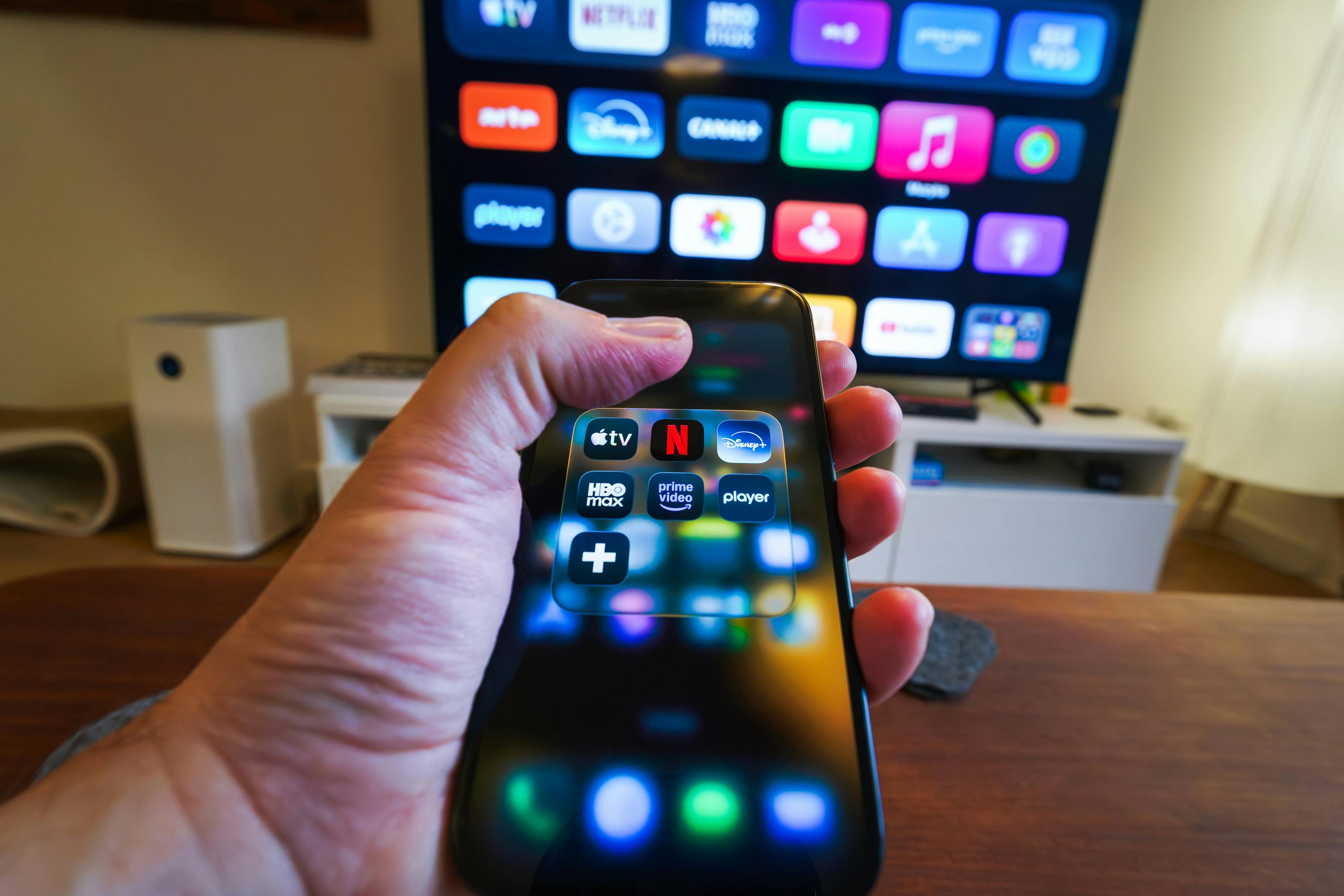
From medical imaging to streaming recommendations
After working on advanced medical imaging software for a German company, I joined Ranker to work on Watchworthy, a US consumer app focused on helping people discover what to watch across hundreds of streaming services.
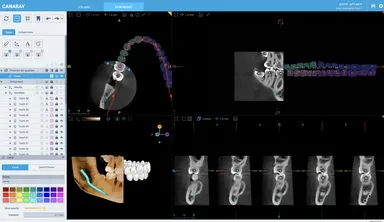
Building advanced dental imaging software on the web
At Synphonyte, I helped design and lead the development of Canaray Voxel, a Three.js and Vue-based web application for high-resolution dental and craniofacial scan analysis, collaborative workflows, and clinical reporting.

Designing a safe merge workflow for patient records in a live public health system
One of the hardest challenges I worked on in municipal health software was designing and implementing a safe workflow to detect, review, and merge duplicated patient records without downtime or data loss.

Building public health tools for citizens, not just for systems
Some of the most meaningful software I worked on in municipal government was not only about internal processes. It was about creating public tools that helped citizens navigate care more clearly and access services more easily.
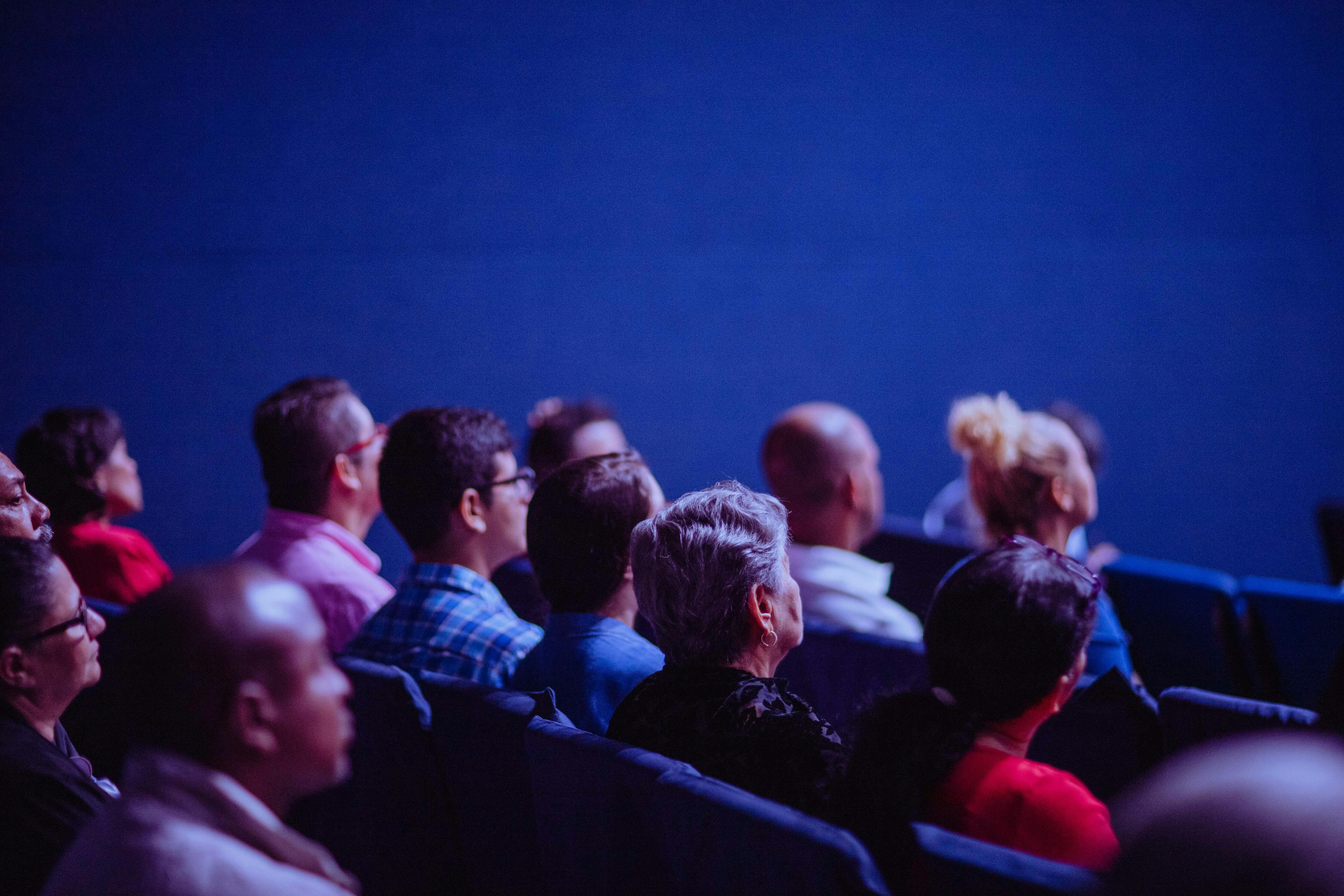
What presenting health information systems taught me about real-world software
In 2016, presenting work on health information systems helped me see software in a different way: not as isolated features, but as infrastructure that affects real people, real workflows, and real decisions.
Before software became my whole world, I was translating it
How an early experience as a sign language interpreter shaped the way I think about communication, accessibility, and building software for real people.

Before product, frontend, and engineering platforms, there was accessibility
One of my earliest experiences with software was helping build accessibility-focused tools for people with disabilities — an experience that shaped how I think about communication, inclusion, and real-world product design.